FR
Irrigation package for sand rivers, a feasibility study in the Mozambican Limpopo Delta
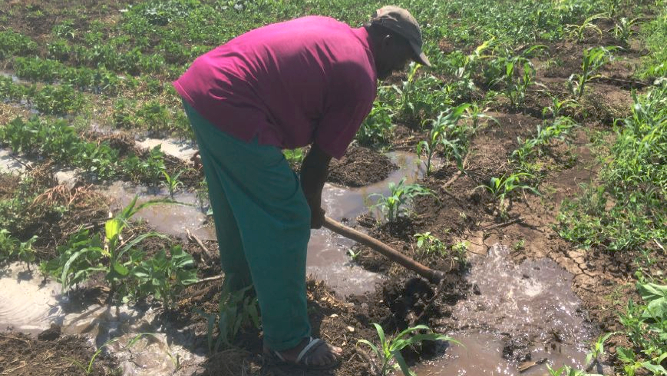
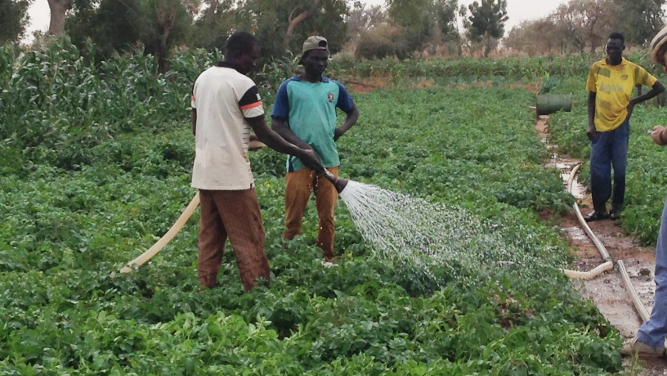
In southern Mozambique harvest failure due to increasing droughts is common. Rain-fed food production is limited to one crop a year and poses high risks for local food security. Irrigation could potentially reduce risks and increase income for smallholder farmers as it enables off-season production and supplementing water when rainfall is insufficient. Groundwater for irrigation is available in the riverbed of sand rivers like the Limpopo. However, most farmers cannot access the water; and those who do rely on diesel pumps that are frequently abandoned due to a lack of organisation or maintenance.
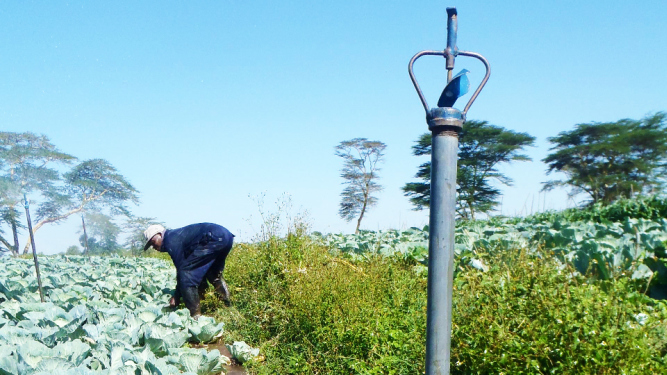
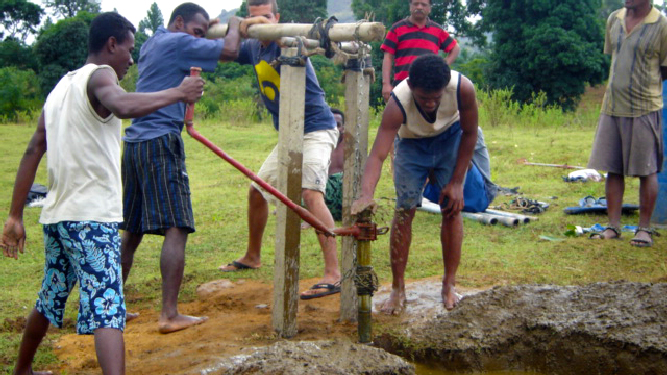
This project looks at the feasibility of introducing individual solar-powered irrigation packages tapping from the invisible water resources in the dry riverbed. Participatory action research with farmers, NGOs and local and international research institutes is used to find answers to the barriers that separate farmers from year-round water supply and increased food security.