FR
Testing the Capstan kit in Madagascar
Previous studies and research conducted in phase 1 and phase 2 of the Speedkits project have shown that mechanization and semi-mechanization of manual drilling is required especially in emergency work where time and skilled human resources play against us.
Several improvements in drilling techniques have been proposed during these studies. Among these improvements, the semi-mechanization of the Capstan kit has been proven the most promising. The Capstan(1) system based on Mac-perforation techniques has been redesigned and tested in the Netherlands in 2014.
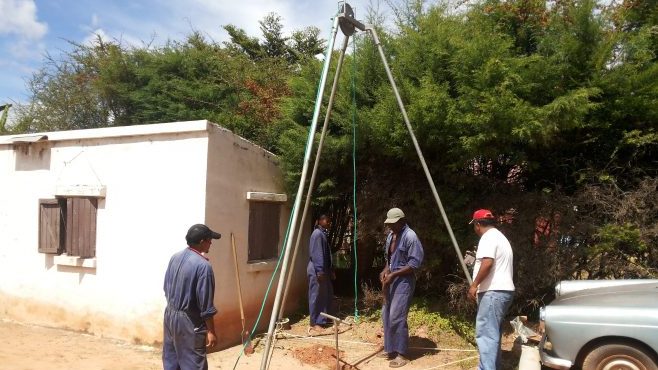
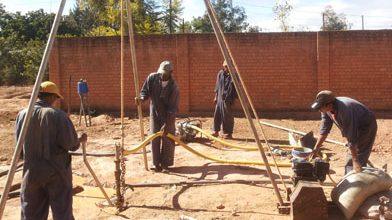
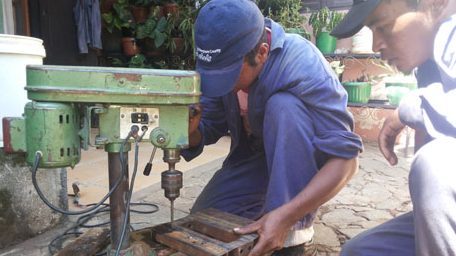
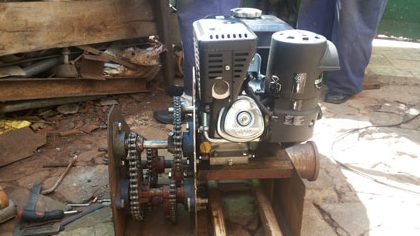
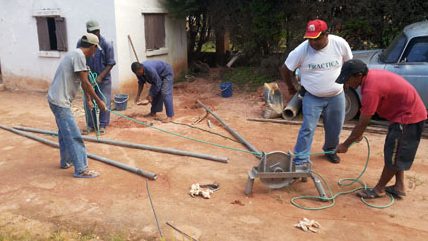
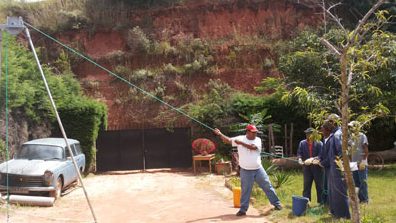
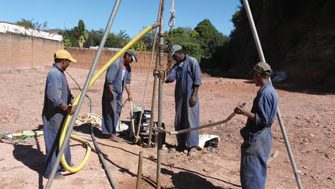
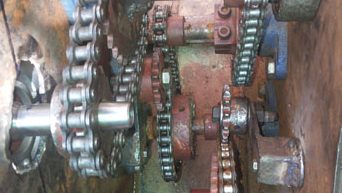
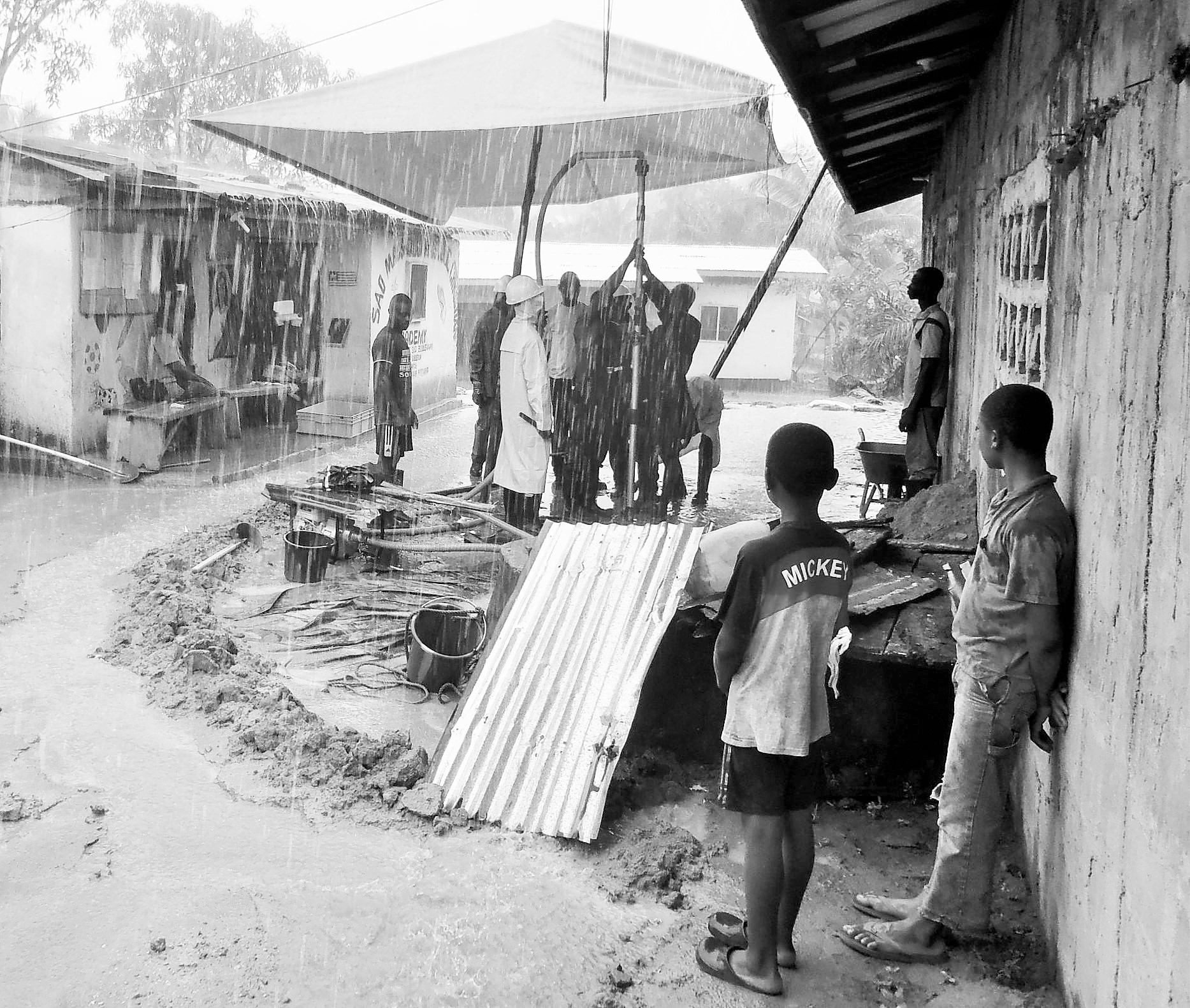
This research project carried out in Madagascar assesses whether the developed Capstan kit can be produced in Africa and at what price. Next to that the kit will be tested to get insight in what soil layers can be penetrated using this technique.
English
French
Test du kit Capstan à Madagascar
Les précédentes études et recherches menées dans la phase 1 et phase 2 du projet Speedkits ont montrées que la mécanisation et ou semi-mécanisation du forage manuel est nécessaire surtout dans les travaux d’urgence où le temps et les ressources humaines qualifiées jouent contre nous.
Plusieurs améliorations des techniques de forage ont été proposées. Parmi ces améliorations, la semi-mécanisation par le kit Capstan a été démontrée la plus prometteuse. Le système du Capstan1 basé sur la technique Mac-perfor a été redessiné, produit, développé et testé aux Pays-bas durant XXmois. Ces améliorations ont été pensées afin de faciliter, développer et mécaniser le travail de forage manuel.
Mais le kit Capstan est-il alors productible en Afrique ? A quel prix pourra-t-on le reproduire ? Le kit marche-t –il et dans que type de sol ? Arrive-t-on à traverser la roche avec un tel kit ? Etc.…
Des travaux de recherches ont été menés à Madagascar afin de répondre à ces questions.